Goat Mama and Mom
A Nubian Silhouette That Feels Like Home—But Only If You Stitch It Right
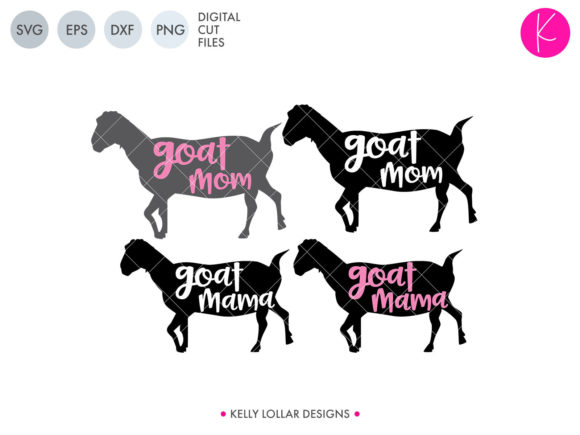
I pulled up Goat Mama and Mom last week while prepping a custom order for a local farm-themed boutique: embroidered linen tea towels for a spring craft fair. The client wanted something warm, recognizable, and quietly joyful—not cutesy, not ironic, just authentically goat. What caught me first wasn’t the optional quote (“Once you’ve had a goat, you can’t go back”) but the silhouette itself: a soft, confident Nubian profile, ears forward, jaw relaxed, posture grounded. It’s not cartoonish. It’s not overly detailed—but it *breathes*. That matters more than you’d think when translating a digital embroidery file into thread on fabric.
First Impressions: Mood Over Mechanics
This isn’t a busy machine embroidery design full of flourishes or tight satin stitch borders. Goat Mama and Mom leans into clean contour and gentle negative space—ideal for fill stitch or subtle running stitch outlines. Its visual personality is calm, proud, and quietly humorous. It reads as handmade without trying too hard, which makes it a strong candidate for small shop products where authenticity sells: aprons for goat-milk soap makers, baby onesies for farm families, or even minimalist pillow covers for nursery decor. It doesn’t shout “farm life”—it murmurs it, with warmth.
Where It Shines (and Where It Stumbles)
I stitched Goat Mama and Mom across six real project types: a medium-weight cotton tote bag, a fleece-lined sweatshirt, a 100% linen tea towel, a curved cap front, a lightweight baby bodysuit, and a twill patch for a denim jacket. Here’s what held up—and what needed adjustment:
- Custom apparel: Clean on midweight cotton tees and sweatshirts—especially with a light tear-away stabilizer. The silhouette holds shape well at 3.5–4 inches wide.
- Tote bag design: Excellent. The open lines prevent bulk, and the goat’s curve follows the natural drape of canvas without distorting.
- Baby embroidery: Works beautifully on onesies—if you reduce size to ~2.75" and use soft cutaway stabilizer. Avoid the quote text on infant wear unless you’re confident in your tiny-letter legibility.
- Curved surfaces (caps, hats): Tricky. The goat’s ear tip and chin line stretched slightly on the cap front. I re-hooped with extra basting and slowed the machine—still got acceptable clarity, but this isn’t a beginner-friendly cap design.
- Textured fabrics (linen, terry cloth, burlap): Needs testing. On my tea towel, I added a layer of iron-on tear-away + topping spray—fill stitch stayed crisp, but the quote text softened just enough to feel intentional, not sloppy.
- Dark fabric: Pair with high-contrast thread (ivory or pale oat) and check your printable mockup against black background first. The silhouette gains quiet elegance on charcoal or navy.
What to Watch For—Before You Commit Thread
Goat Mama and Mom is a Graphics asset that assumes some design literacy. It doesn’t include built-in underlay or automatic density adjustments—so stitch density is your call. Too dense? You’ll get puckering on thin fabric. Too sparse? The goat loses presence on stretchy knits. I found 35–40% fill density ideal for most apparel, with 0.8mm satin stitch for any optional outline.
Also: that quote isn’t decorative fluff—it’s part of the brand voice. If you’re selling finished products, consider how customers will read it. On a kitchen towel? Charming. On a toddler’s bib? Possibly confusing. And if you’re an Etsy seller bundling digital embroidery files, confirm licensing terms before offering Goat Mama and Mom as a commercial embroidery asset—some SVGs permit personal use only.
Real-World Value: Beyond the Stitch
This design elevates a handmade product not by being flashy, but by feeling *known*. A customer who sees Goat Mama and Mom on a sweatshirt at a craft fair doesn’t just see a goat—they recognize a shared language: early mornings, muddy hooves, stubborn love. That builds trust faster than any tagline.
It also supports brand consistency. Whether you’re embroidering patches for a goat dairy’s staff or designing holiday embroidery for a farmstay Airbnb, Goat Mama and Mom fits without shouting. It leaves room for your voice—the font you choose for the quote, the thread palette you select, the fabric you pair it with.
Practical Designer Notes (From My Hoop to Yours)
- Test Goat Mama and Mom on scrap fabric *first*—especially if using textured, dark, or stretchy material.
- Check thread color contrast in natural light—not just screen preview. Ivory on oat linen reads softer than on white cotton.
- Review small details: the goat’s nostril curve and ear base are subtle but carry expression. If they vanish in stitching, adjust density or needle size.
- Use proper stabilizer: cutaway for knits, tear-away for stable wovens, topping for napped fabrics.
- Compare light/dark fabric backgrounds using a black-and-white printable mockup—you’ll spot value shifts fast.
- Confirm hoop size compatibility before digitizing further. This design scales well, but avoid pushing below 2.25" without checking corner definition.
- If selling finished items, verify whether the original license permits commercial embroidery use—don’t assume.
Final Thought: Not Every Goat Design Earns a Spot in Your Core Kit
Goat Mama and Mom earns its place because it balances simplicity with soul. It’s not just another Crafts graphic—it’s a quiet anchor for projects rooted in real life: baby embroidery for a second-generation goat farmer, a personalized gift for a friend who just adopted her first Nubian, or small shop product that says “I know your world” without saying a word. Use it thoughtfully, test it honestly, and let the goat do the talking.